German Shepherd Cost Guide
A German Shepherd will cost most families somewhere between $20,000 and $50,000+ over 10-13 years. The spread is wide because three things create enormous variance: where you got the dog, how you handle healthcare, and how lucky you are with major health events.
That total sounds intimidating until you spread it across a decade. It works out to the $150-$300 per month that most owners actually experience. The trick isn’t really the monthly number. It’s the surprise expenses hiding inside it. Our German Shepherd cost guide breaks these down category by category.
“Nearly 8 out of 10 pet owners underestimate the cost to care for their pet over a lifetime.” The study put the 15-year cost of owning a dog at $22,125 to $60,602.
— Synchrony 2025 Pet Lifetime of Care Study (n=4,861)
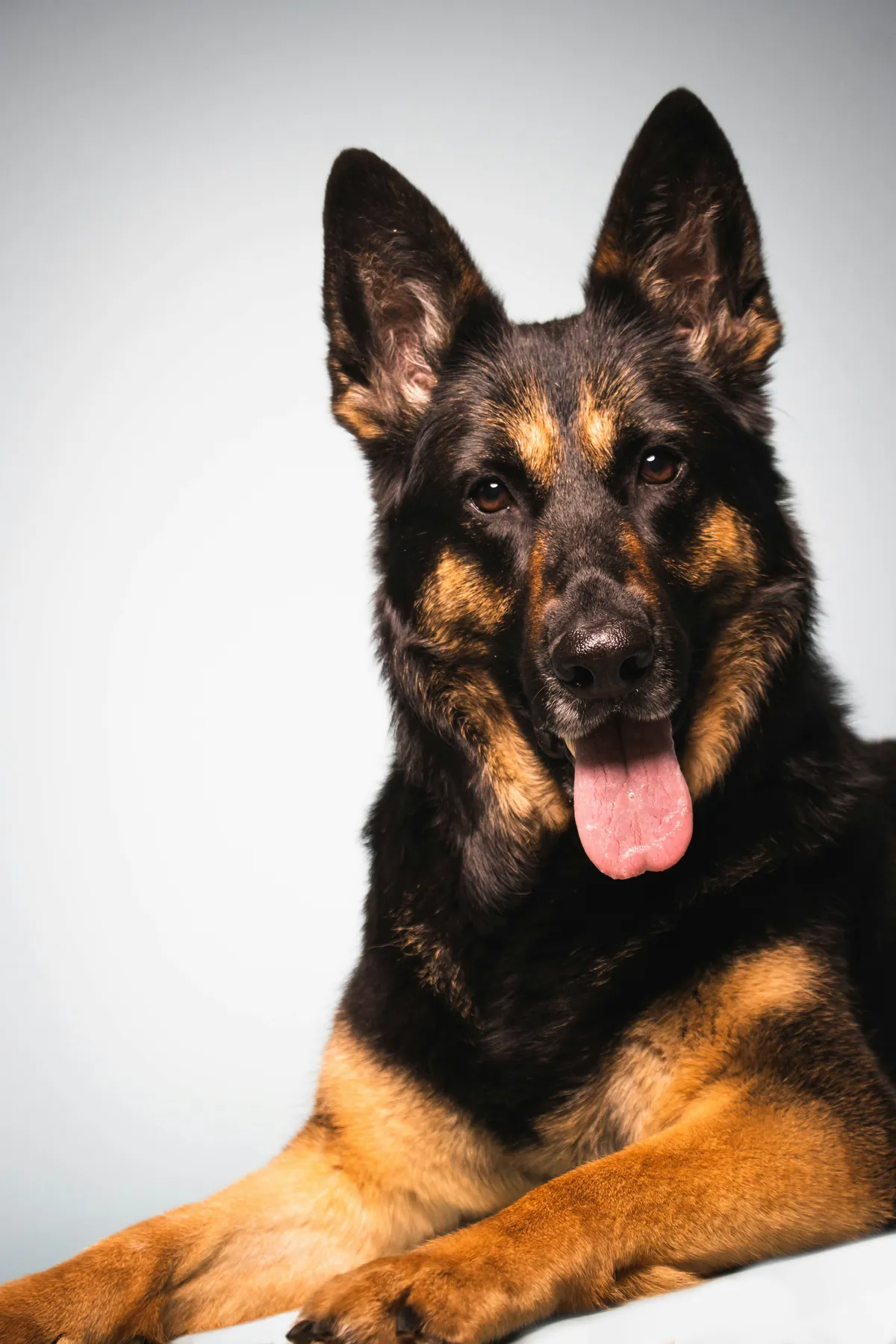
Lifetime Cost Summary
This table uses a 12-year lifespan, the midpoint of the range in our guide to how long these dogs actually live, and includes the purchase price. It is an editorial planning model: the recurring figures draw on Rover’s 2025 Cost of Pet Parenthood report and current retail pricing, the insurance line is anchored to the NAPHIA 2024 average premium, and the health-event figures use the sourced surgery ranges below. Treat the totals as planning ranges, not quotes, and use the cost calculator to rebuild the projection on your own numbers.
| Category | Low (12 years) | Mid (12 years) | High (12 years) |
|---|---|---|---|
| Purchase/adoption | $200 | $2,000 | $3,500 |
| First-year setup (one-time) | $240 | $400 | $590 |
| Food | $7,200 | $9,600 | $14,400 |
| Routine vet care | $7,700 | $10,800 | $16,500 |
| Pet insurance | $0 | $6,240 | $14,280 |
| Preventatives (flea/tick/heartworm) | $3,360 | $4,200 | $4,560 |
| Grooming | $0 | $1,800 | $4,800 |
| Training | $100 | $600 | $2,000 |
| Toys, treats, gear | $1,200 | $2,400 | $3,600 |
| Emergency/major health events | $0 | $3,000 | $12,000+ |
| Lifetime total | $20,000 | $41,040 | $76,230+ |
The low column assumes adoption, mid-range food, DIY grooming, no insurance, and no major health events. The high column includes a breeder purchase, premium food, comprehensive insurance, professional grooming, and two significant surgeries.
Most owners land in the mid range: roughly $35,000-$45,000 over the dog’s life.

How Costs Shift Year by Year
Not every year hits the same. Expenses follow a clear pattern across three phases, and knowing the rhythm helps you plan.
The First Year: $2,500-$5,800+
Year one is the most expensive because one-time setup costs stack on top of everything else. Puppy vaccines, spay/neuter, crate, leash, bed. It all arrives at once.
| First-Year Expense | Low | High |
|---|---|---|
| One-time setup (crate, bed, tools) | $240 | $590 |
| Recurring costs (food, treats, prevention) | $920 | $1,840 |
| Veterinary (vaccines, spay/neuter, exams) | $400 | $880 |
| Insurance | $420 | $1,200 |
| Training | $50 | $300 |
| Emergency fund | $500 | $1,000 |
| First-year total | $2,530 | $5,810 |
Add the purchase price on top: $1,500-$3,500 from a reputable breeder, or $150-$500 for rescue. For a full itemized breakdown, see our first year cost guide.
With my current Shepherd, the first year ran close to $4,500 including the breeder price. Most of that front-loaded cost was gear and vet visits that don’t repeat.
Adult Years (2-7): $1,500-$3,000/Year
This is the calm stretch. Your dog is fully grown, eating consistent amounts, and generally healthy. Costs settle into a predictable rhythm.
| Annual Expense (Adult) | Low | High |
|---|---|---|
| Food | $600 | $1,200 |
| Routine vet care | $700 | $1,500 |
| Insurance | $468 | $1,422 |
| Preventatives | $280 | $380 |
| Grooming | $0 | $400 |
| Toys, treats, gear | $100 | $300 |
| Annual total | $1,500 | $3,000+ |
Food is the biggest line item here. A 70 lb Shepherd on mid-range kibble like Purina Pro Plan costs roughly $55-$65/month. Premium or breed-specific formulas push that to $80-$100. For current food recommendations, see our feeding guide.
Senior Years (8+): $2,500-$5,000+/Year
This is where the budget tightens. Vet visits go from once to twice a year. Bloodwork becomes routine every six months. Joint supplements, arthritis management, and age-related conditions start appearing.
| Senior Expense | Low | High |
|---|---|---|
| Food (senior formula) | $600 | $1,200 |
| Vet care (increased frequency) | $1,000 | $2,500 |
| Insurance (higher premiums) | $700 | $1,800 |
| Joint supplements | $360 | $720 |
| Preventatives | $280 | $380 |
| Grooming | $0 | $400 |
| Senior annual total | $2,500 | $5,000+ |
Insurance premiums climb with age. If you enrolled as a puppy at $39/month, expect $70-$120/month by age 10. Still cheaper than paying out-of-pocket for the conditions that become more likely in those years. For food recommendations in the later years, see our senior food guide.
“Americans spent $38.3 billion on veterinary care and products in 2024. For large-breed dog owners, unplanned veterinary costs remain the most common source of financial strain.”
— American Pet Products Association, 2024-2025 APPA National Pet Owners Survey
The Costs That Break Budgets
Monthly expenses don’t cause financial stress. Surprise bills do. German Shepherds are among the breeds more commonly associated with certain expensive conditions, and a single event can rival years of routine spending.
| Condition | Typical Cost (estimate) | Notes |
|---|---|---|
| Hip dysplasia surgery (per hip) | $5,600-$10,000+ | OFA registry: 18.9% of submitted GSD hip films graded dysplastic (Oberbauer 2017); sources split (MetLife ~$5,600–$6,000, U. Missouri $8,500–$10,000) |
| Bloat/GDV surgery | $5,000-$7,000+ | Emergency; hours matter. No GSD-specific lifetime risk exists; deep-chested category risk only |
| ACL/cruciate ligament repair | $3,500-$6,000 | Common in large, active breeds |
| EPI (ongoing management) | ~$500-$3,000+/year | Lifelong enzyme supplementation; scales with dog size |
| Cancer treatment | $5,000-$15,000+ | Varies widely by type and stage |
| Degenerative myelopathy | $500-$2,000/year | Physical therapy, mobility aids |
A single hip surgery costs more than three years of food. Bloat surgery, if caught in time, can match five years of insurance premiums in one night. These aren’t rare for the breed. They’re the risks that experienced Shepherd owners plan for.
Consult your veterinarian about breed-specific screening, particularly for hips and elbows, to catch problems early when management options are broader.
How Pet Insurance Offsets the Biggest Costs
Here’s the calculation that matters:
Without insurance: You pay everything out-of-pocket. If your dog stays healthy, you save money. If they need one major surgery, you’re looking at $5,000-$10,000+ in a single bill.
With insurance (anchored to the NAPHIA 2024 average of $749.29/year, about $62/month):
- 12 years of premiums: ≈ $8,990
- One hip surgery ($6,000) at 90% reimbursement after a $500 deductible: you pay $1,050
- One bloat surgery ($5,000) at 90% after the deductible is already met: you pay $500
- Total with insurance: ≈ $10,540
- Total without insurance: $11,000
That is a simplified illustration, not a quote. Premiums vary by age, location, and plan, and there is no published German-Shepherd-specific premium figure. But it shows the core logic. Insurance doesn’t save money when nothing goes wrong. It protects you when something does. With this breed, the odds of “something” are higher than average.
The most important factor: enroll as a puppy. Premiums start 20-40% lower, and nothing is pre-existing. Waiting until symptoms appear means the costliest conditions won’t be covered.
For specific plan comparisons and what to look for, see our pet insurance guide for German Shepherds.

Ways to Reduce Lifetime Costs
You can’t avoid every expense, but you can control a surprising number of them.
Adopt instead of buying. Saves $1,000-$3,000 upfront. Rescue dogs often come vaccinated and spayed/neutered, cutting first-year vet costs too.
Feed quality mid-range kibble. Purina Pro Plan at ~$55/month performs well for most Shepherds and costs $40-$50 less than premium formulas. Over 12 years, that’s $5,700-$7,200 saved. Check our feeding guide for current picks.
Do your own grooming. A $25 brush kit replaces $400/year in professional grooming. This breed doesn’t need haircuts. Just regular brushing and the occasional bath.
Get insurance early. Lower premiums, no pre-existing exclusions, and financial protection when costs spike in senior years.
Buy preventatives online. Chewy auto-ship saves 5-10% on flea/tick and heartworm medication compared to vet-office pricing. Same products, lower markup.
Invest in training early. A well-trained Shepherd destroys fewer household items, has fewer behavioral emergencies, and is cheaper to board. A $200 group class in year one can save thousands over the dog’s life.
Build an emergency fund if you skip insurance. Set aside $50-$100/month into a dedicated account. After three years, you’ll have $1,800-$3,600, enough to cover most single emergencies.
How This Breed Compares
German Shepherds aren’t the most expensive breed, but they sit above average. The ranges below are approximate and directional, drawn from breed cost-comparison data and APPA industry trends. Useful for relative comparison, not precise quotes:
| Breed | Estimated Lifetime Cost |
|---|---|
| Chihuahua (14-16 years) | $15,000-$25,000 |
| Labrador Retriever (10-12 years) | $18,000-$40,000 |
| German Shepherd (10-13 years) | $20,000-$50,000+ |
| Golden Retriever (10-12 years) | $20,000-$45,000 |
| French Bulldog (10-12 years) | $25,000-$55,000 |
The Shepherd’s costs are driven by size (more food, higher medication doses) and the breed’s health profile (higher insurance premiums, greater likelihood of orthopedic issues). Compared to other large breeds, the difference is modest. The real gap is between large breeds and small breeds. For a month-by-month view of what this looks like in practice, see our monthly cost breakdown.
Lifetime Cost Questions Owners Ask Most
What is the total lifetime cost of a German Shepherd? Most owners spend $20,000-$50,000 over 10-13 years. The average lands around $35,000-$45,000 with a breeder purchase, mid-range food, insurance, and one or two health events. Adoption and DIY grooming bring the low end down significantly.
What year is the most expensive? The first year, almost always. Between purchase price, one-time setup costs, and the puppy vaccine series, year one typically runs $4,000-$9,000 total. Senior years (8+) are the second most expensive phase, driven by increased vet visits and potential age-related conditions.
Is pet insurance worth it for the full lifetime? For this breed, the math favors insurance more than for most. At the NAPHIA 2024 average of about $62/month over 12 years (≈$8,990 total), insurance pays for itself with a single major surgery. Given the breed’s hip dysplasia rate and susceptibility to bloat, most financial comparisons tilt toward coverage, especially if you enroll as a puppy.
What’s the biggest lifetime expense? Food, by a wide margin. At $50-$100/month over 12 years, you’ll spend $7,200-$14,400 on kibble alone. Vet care is second. But a single uninsured emergency can rival several years of food costs in one bill.
How can I plan for senior year costs? Start early. Enroll in insurance while your dog is young. Build or maintain an emergency fund. Budget an extra $50-$100/month starting around age 7 to cover increased vet visits, supplements, and potential mobility aids. The owners who struggle financially with senior dogs are almost always the ones who didn’t plan ahead.
Sources
Lifetime cost figures, breed-health statistics, and insurance baselines on this page are sourced as follows. Last verified 2026-05-20.
- Synchrony 2025 Pet Lifetime of Care Study (n=4,861, fielded Jan-Feb 2025). PR Newswire release. 15-year dog lifetime cost $22,125–$60,602; 8-in-10 underestimate finding.
- Rover. 2025 Cost of Pet Parenthood Report. rover.com. US dog-owner average $3,343/yr (~$279/mo).
- NAPHIA. State of the Industry Report 2024, average dog accident & illness premium $749.29/yr. naphia.org. Insurance baseline.
- Oberbauer AM, Keller GG, Famula TR. Long-term genetic selection reduced prevalence of hip and elbow dysplasia in 60 dog breeds. PLOS ONE 2017;12(2):e0172918. PMC5325577. GSD hip 18.9% / elbow 17.8% across ~107K OFA evaluations.
- MetLife Pet Insurance. Dog Hip Dysplasia Surgery Cost. metlifepetinsurance.com. THR pricing $5,600–$6,000/hip.
- University of Missouri Veterinary Health Center. Canine Total Hip Replacement. vhc.missouri.edu. Teaching-hospital THR pricing $8,500–$10,000+/hip.
- Great Pet Care. Dog Bloat Surgery Cost. greatpetcare.com. GDV market estimate $5,000–$7,000+.
- American Pet Products Association. 2024-2025 APPA National Pet Owners Survey. americanpetproducts.org. US pet-spending baseline; $38.3B 2024 veterinary spend.
- AAHA. Canine Vaccination Guidelines 2022. aaha.org. DHPP series schedule for the puppy vaccine block.
Owner-data box reflects Sam’s records across four Shepherds (per agent-os/22-sams-dogs-reference.md).
Disclaimer: Cost estimates are approximations based on publicly available data. Actual costs vary significantly by location, provider, and individual circumstances. Read full disclaimer →
Follow new work
A new guide every week or so.
Roughly one new guide every week or so. Cost data, feeding research, breed health — sourced and dated. By Sam, in Belgium.
Related Articles

Annual Cost of Owning a German Shepherd
Itemized annual cost breakdown for German Shepherd ownership. Food, vet care, insurance, grooming, and extras with real 2026 numbers and sourced estimates.
How Much Does a German Shepherd Cost Per Month
A realistic monthly cost breakdown for German Shepherd owners. Food, insurance, preventatives, grooming, and training with US averages and ways to save.

German Shepherd First Year Cost Breakdown
Itemized first-year cost of owning a German Shepherd from setup gear to vet bills. Real 2026 prices, category-by-category breakdown, and money-saving tips.

German Shepherd Puppy: What Everything Costs
Month-by-month first-year cost breakdown for a German Shepherd puppy. Sourced numbers for purchase, supplies, vet, food, training, insurance, and surprises.