How Much Does a German Shepherd Cost?
Last updated: March 21, 2026
Owning a German Shepherd is one of the most rewarding experiences you can have with a dog. It is also one of the most expensive. Between breed-specific health risks, their size, and their nutritional demands, Shepherds cost meaningfully more than the average large breed, and far more than most people expect when they bring a puppy home.
This guide breaks down every cost category with real numbers from breeders, veterinary data, and insurance industry reports. No vague ranges. No sugarcoating. Whether you are budgeting for your first German Shepherd or trying to figure out where your money keeps going with your current one, this is the full picture.
Quick Answer
| Cost Category | Low End | High End |
|---|---|---|
| Purchase / Adoption | $300 (rescue) | $4,500+ (AKC breeder) |
| First Year Total | $2,500 | $5,500+ |
| Monthly Recurring | $150 | $300+ |
| Annual Recurring | $1,500 | $3,000+ |
| Lifetime (10-13 years) | $15,000 | $45,000+ |
The range is wide because breed-specific health conditions can be expensive and unpredictable. A healthy Shepherd with no major issues lands toward the low end. One hip surgery, a bloat emergency, or an EPI diagnosis can push lifetime costs well past $30,000. According to ASPCA data, the average large-breed dog costs roughly $1,040 per year. Shepherds regularly exceed that by 50-200%.
Purchase and Adoption Costs
What you pay upfront depends entirely on where you get your dog. Here is how the tiers break down, based on current market data.
Breeder Price Tiers
| Breeder Type | Price Range | What You Get |
|---|---|---|
| Pet quality (reputable) | $800-$1,500 | OFA health testing, first vaccines, health guarantee (Spot Pet Insurance data) |
| AKC-accredited breeder | $2,000-$4,500 | Full pedigree, OFA/DM screening, temperament evaluation (Insurify) |
| Show quality | $6,500-$10,000 | Championship bloodlines, breed-standard conformation (Petworks) |
| Working/service line | $10,000-$20,000+ | Trained for specific tasks, Schutzhund/IPO titles in lineage |
Real breeder examples: Mittelwest German Shepherds in Illinois starts at $4,000 for an 8-week-old puppy. Vom Geliebten Haus in Wisconsin averages around $4,000 as well. These are not inflated prices. They reflect the actual cost of health testing, importing bloodlines, and raising puppies correctly.
Regional Price Variation
Prices vary significantly by region, according to data compiled by iHeartDogs:
| Region | Price Range |
|---|---|
| Midwest | $800-$2,700 |
| Northeast | $1,600-$3,550 |
| West Coast | $1,300-$4,100 |
The Midwest tends to have the widest range because it is home to both high-end imported-line breeders and rural operations with lower overhead.
Adoption
Adopting through a breed-specific rescue or shelter typically costs $300-$500. That fee almost always includes spay or neuter surgery, core vaccinations, microchipping, and an initial vet exam (services that would cost $800-$1,200 if purchased separately). Adoption is significantly cheaper upfront, though you may not have access to the parents’ health history.
Backyard Breeders: The False Economy
You will find Shepherds listed online for $200-$800. These typically come from breeders who skip health testing. That matters because hip dysplasia affects 19.8% of the breed according to OFA data. Without OFA hip and elbow evaluations, DM screening, and a written health guarantee, you are rolling the dice on a $3,500-$7,000 surgery down the road. The purchase price is the smallest part of what a Shepherd costs. The breeding behind them determines a significant portion of their lifetime health expenses.
For a deeper look at breeder pricing and what to look for: German Shepherd Breeder Price Guide
First Year Cost Breakdown
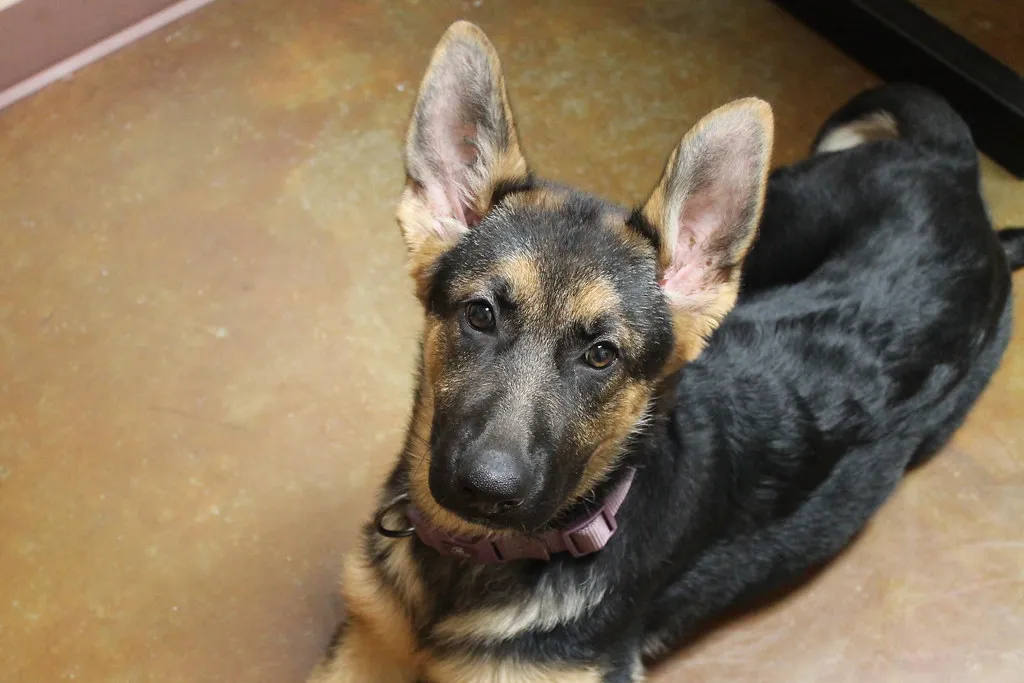
The first year is the most expensive. You are paying for everything at once: supplies, initial vet visits, and getting your home set up for a large, high-energy dog. These are estimates; actual costs vary by location and provider.
| Item | Low | High | Notes |
|---|---|---|---|
| Food (12 months) | $600 | $1,800 | Best Food Options. Puppies eat less but premium puppy food costs more per pound. |
| Crate (42”) | $50 | $150 | One-time purchase. Wire crates last longer than plastic. |
| Leash, collar, harness | $30 | $100 | Budget for replacements as the puppy grows |
| Bed | $40 | $120 | Chew-proof options save money long-term |
| Toys | $50 | $120 | Include puzzle and chew toys. Shepherds need mental stimulation. |
| Grooming tools | $30 | $60 | Undercoat rake is non-negotiable for this breed |
| Training (group classes) | $100 | $500 | Obedience foundation prevents costly behavioral problems later |
| Vaccinations (core + rabies) | $200 | $400 | DHPP series plus rabies |
| Spay or neuter | $200 | $500 | Many breed experts recommend waiting until 18-24 months for large breeds. Discuss timing with your vet. |
| Flea, tick, and heartworm prevention | $150 | $400 | Year-round in most US regions |
| Pet insurance (12 months) | $468 | $1,428 | $39-$119/month depending on plan. Best Insurance Options |
| Emergency fund | $500 | $1,000 | Set this aside before you bring the puppy home |
| First Year Total | $2,418 | $6,578 |
The $2,400 low end assumes DIY grooming, group training classes, and a mid-range food. The high end accounts for premium food, comprehensive insurance, and professional training. Most owners land somewhere around $3,500-$4,500 for the first year.
Full itemized breakdown with month-by-month spending: German Shepherd First Year Cost
Monthly Cost Breakdown
After the first-year setup costs, ownership settles into a monthly rhythm. Here is what ongoing costs look like based on data from Insurify, Hepper, and breed owner forums.
| Category | Low | High | Notes |
|---|---|---|---|
| Food | $50 | $180 | Depends heavily on brand and dog size. A 90-lb male eating premium kibble runs $100-$130/month. |
| Pet insurance | $39 | $119 | Average is $51/month (Insurify). Comprehensive plans with lower deductibles cost more. |
| Flea, tick, and heartworm prevention | $33 | $38 | US-standard year-round prevention. Costs may vary by region and product. |
| Routine vet (averaged monthly) | $17 | $35 | Annual exams, bloodwork, and boosters spread across 12 months |
| Grooming | $0 | $60 | DIY costs nothing beyond tools. Professional grooming for a double-coated breed runs $50-$80 per session. |
| Treats and chews | $10 | $30 | Bully sticks, dental chews, training treats |
| Toys and gear replacement | $5 | $15 | Shepherds destroy toys. Budget accordingly. |
| Monthly Total | $154 | $477 |
A realistic monthly budget for most owners falls between $150 and $300. The $477 high end includes comprehensive insurance and premium food, which is not unreasonable but not typical either.
One note on preventatives: flea, tick, and heartworm prevention costs listed here reflect US-standard products. If you are outside the US, or in a region with different parasite pressures, your costs and product options may differ. Talk to your vet about what is appropriate for your area.
Detailed monthly budget with saving tips: German Shepherd Monthly Cost
Annual Recurring Costs
Once you have gotten through the first year, annual costs become more predictable. Here is the ongoing picture, with estimates based on data from Shepherd Kingdom and World of Dogz, cross-referenced with ASPCA large-breed averages.
| Category | Annual Low | Annual High |
|---|---|---|
| Food | $600 | $2,160 |
| Pet insurance | $468 | $1,428 |
| Routine veterinary care | $200 | $425 |
| Flea, tick, and heartworm prevention | $396 | $456 |
| Grooming | $0 | $480 |
| Treats, chews, and supplements | $120 | $360 |
| Toys and gear | $60 | $180 |
| Annual Total | $1,844 | $5,489 |
Most owners spend $1,500-$3,000 per year on routine costs. That is 44-188% more than the ASPCA’s $1,040 annual baseline for large breeds. The difference comes down to two things: Shepherds eat more than most large breeds, and their insurance premiums are higher because of breed-specific health risks.
These figures do not include emergency vet visits or treatment for chronic conditions. A single emergency can add $2,000-$7,500 to any given year.
Year-by-year cost analysis with aging adjustments: German Shepherd Annual Cost
German Shepherd Health Costs
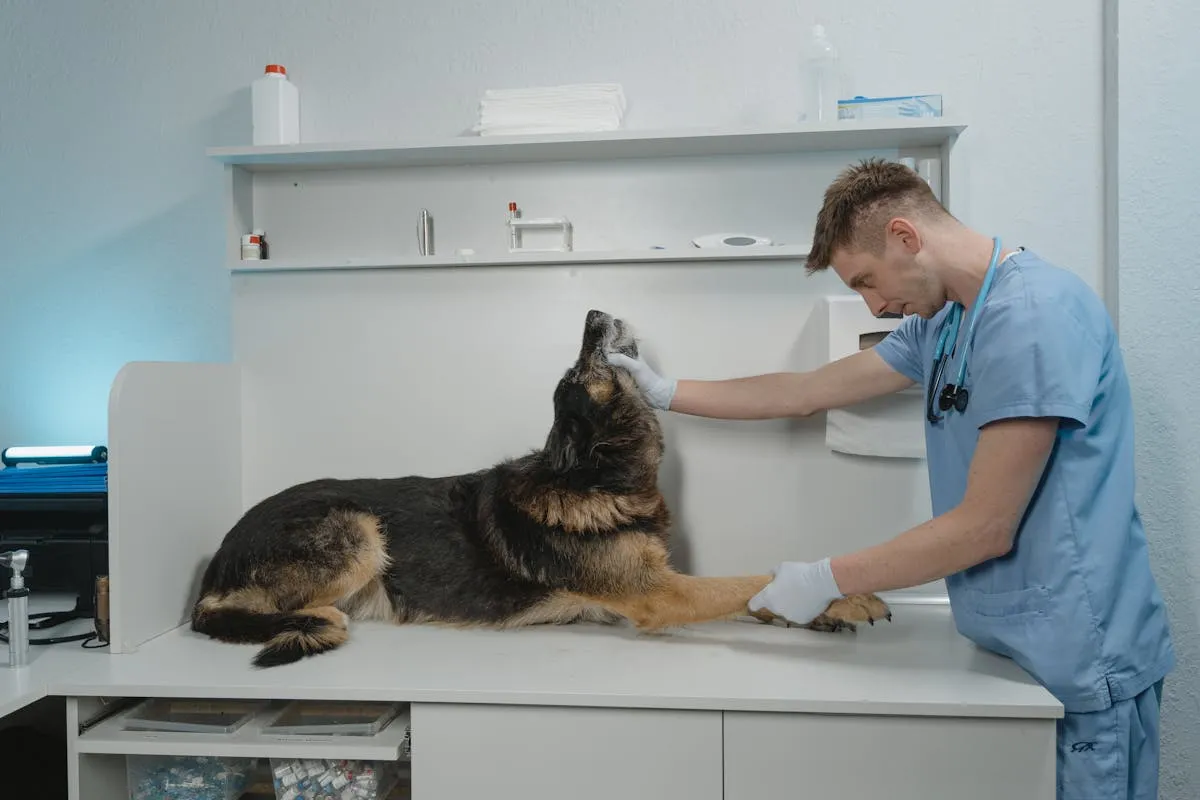
This is the section that matters most. The breed is predisposed to several expensive health conditions, and the data makes it clear just how elevated the risk is compared to the average dog.
Breed-Specific Risk Data
Trupanion, one of the largest pet insurance providers, publishes breed risk multipliers based on their claims data. Two numbers stand out:
- Hip dysplasia: 2.5x the average breed risk (Trupanion). OFA data shows a 19.8% incidence rate across the breed.
- GDV (bloat): 8.5x the average breed risk (Trupanion). Lifetime risk estimated at 4-6% for the breed.
Those are not small differences. An 8.5x risk multiplier for bloat means Shepherds experience this life-threatening emergency at a rate far beyond what most dog owners ever face.
Condition-by-Condition Cost Breakdown
| Condition | Prevalence / Risk | Treatment Cost |
|---|---|---|
| Hip dysplasia | 19.8% OFA rate, 2.5x avg risk (Trupanion) | $3,500-$7,000 per hip; complex cases up to $14,500 |
| GDV / Bloat | 4-6% lifetime risk, 8.5x avg risk (Trupanion) | $2,500-$7,500 emergency surgery |
| EPI (Exocrine Pancreatic Insufficiency) | 1-2% prevalence; 50-70% of all canine EPI cases are GSDs | $75-$150/month lifelong ($900-$1,800/year) |
| Degenerative myelopathy | Progressive, no cure | $2,000-$5,000 lifetime management |
| Allergies (skin and food) | Common in the breed | $500-$2,000/year ongoing |
The Real Cost of EPI
EPI deserves special attention because it is a lifelong condition, and the breed accounts for an estimated 50-70% of all diagnosed cases. A Shepherd diagnosed with EPI at age 3 will need enzyme supplementation for the rest of their life, costing $75-$150 per month, every month, for 7-10 years. Total lifetime EPI cost: $6,300-$18,000 on enzyme supplements alone, not including the diagnostic workup or dietary changes. There is no cure, only management. Consult your veterinarian about the best enzyme protocol if your dog is diagnosed.
Bloat: Preventive vs. Emergency
One of the smartest financial decisions an owner can make is discussing preventive gastropexy with their vet. This surgical procedure tacks the stomach to the abdominal wall, preventing the twist that makes bloat fatal.
- Preventive gastropexy (often done during spay/neuter): $1,200-$2,000
- Emergency GDV surgery (when bloat occurs without gastropexy): $2,500-$7,500+, with mortality rates of 15-30% even with treatment
The math is straightforward. For a breed with 8.5x the average bloat risk (Trupanion data), a $1,200-$2,000 preventive procedure may cost less than one-third of the emergency alternative and it may save your dog’s life. Talk to your vet about whether gastropexy is appropriate for your Shepherd.
Real Case Study: Tyr’s Bloat Surgery
Healthy Paws published a case study about a Shepherd named Tyr who required emergency bloat surgery. The total veterinary bill came to $6,632. With a 90% reimbursement plan and a $250 deductible, Tyr’s owner paid $889 out of pocket. Without insurance, the full $6,632 would have been due at the emergency vet, often before treatment begins.
That single incident illustrates why Shepherd owners file more claims and higher-value claims than owners of most other breeds. According to Embrace data, policyholders with this breed file $1,200-$1,800 in annual claims on average, compared to $800-$1,000 for mixed-breed dogs.
Pet Insurance for German Shepherds
Pet insurance is a divisive topic. Some owners swear by it. Others consider it a waste of money. For this breed specifically, the math tilts more strongly toward coverage than it does for most breeds. Here is an honest look at both sides.
What It Costs
Insurance premiums for the breed are higher than average because insurers know the health profile:
| Source | Average Monthly Premium |
|---|---|
| Insurify | $51/month |
| AKC Pet Insurance | $59/month |
| Trupanion | $63/month |
Over a 10-year lifespan, insurance at $51/month costs $6,120 in total premiums. At $63/month, you are paying $7,560.
The Math: Insurance vs. Self-Insuring
Here is the calculation most people get wrong. They compare the total premiums ($6,000-$7,500 over a lifetime) against the cost of one surgery and conclude it is a wash. But the question is not whether your dog will need one surgery. The question is what happens if they need two, or if they develop a chronic condition.
Scenario A: No insurance, one major event:
- Hip dysplasia surgery (one hip): $5,000
- Total out of pocket: $5,000
- You saved money vs. insurance premiums
Scenario B: No insurance, two major events:
- Hip dysplasia surgery: $5,000
- Bloat emergency (like Tyr): $6,632
- Total out of pocket: $11,632
- Insurance would have covered approximately $9,200 of this (at 80% reimbursement after deductible)
Scenario C: No insurance, chronic condition:
- EPI diagnosed at age 3, managed for 10 years: $9,000-$18,000
- Plus one hip surgery: $5,000
- Total out of pocket: $14,000-$23,000
With insurance, scenarios B and C look very different. The issue is you do not know which scenario you will face when you bring the puppy home.
The Uninsured Majority
According to the Insurance Information Institute, pet insurance has grown rapidly, with $5.2 billion in premiums in 2024. NAPHIA’s 2025 report puts coverage at just 5.46% of dogs in the United States. The vast majority of dog owners are still self-insuring, whether they realize it or not.
For breeds with average health profiles, self-insuring can work. For Shepherds, with their 2.5x hip dysplasia risk and 8.5x bloat risk, it is a bigger gamble. Spot reports 27,106 claims filed for this breed through their platform alone. The average dog insurance claim is $653 (Pumpkin data, 2022-2025), but Shepherd claims trend significantly higher.
When Insurance May Not Make Sense
Insurance is not always the right call:
- If your dog is already 7+ years old and healthy, premiums may be high and coverage exclusions may limit value
- If you have $10,000-$15,000 in liquid savings earmarked for vet emergencies, self-insuring is viable
- If the dog has pre-existing conditions, those will not be covered, reducing the plan’s value
For most Shepherd owners, especially those getting a puppy, the consensus among breed-experienced owners is that insurance is worth serious consideration. The earlier you enroll, the lower the premium, and nothing is pre-existing yet.
In-depth insurance comparison: Best Pet Insurance for German Shepherds
Lifetime Cost Estimate
Lifetime costs vary enormously depending on health outcomes. Here is a year-by-year projection for both a healthy dog and one that encounters breed-typical health issues. These are cumulative estimates; actual costs vary by location and provider.
| Year | Low (Healthy) | Mid (One Major Event) | High (Multiple Conditions) |
|---|---|---|---|
| Year 1 | $2,500 | $3,500 | $5,500 |
| Year 2 | $4,000 | $5,500 | $8,500 |
| Year 3 | $5,500 | $8,000 | $12,000 |
| Year 5 | $8,500 | $14,000 | $20,000 |
| Year 7 | $11,500 | $20,000 | $28,000 |
| Year 10 | $16,000 | $28,000 | $38,000 |
| Year 13 | $20,000 | $35,000 | $48,000+ |
The low end ($15,000-$20,000 lifetime) represents a Shepherd with no major health events, fed mid-range food, with basic preventive care. Insurify estimates the low end at $15,000-$17,000.
The high end ($38,000-$48,000+) includes one or two surgeries, a chronic condition like EPI or allergies, and premium food and supplements. Some sources cite even higher figures. Dogsane estimates up to $99,000 for the highest-cost scenarios, though that would include extensive cancer treatment or multiple complex orthopedic surgeries. The Synchrony 2025 Lifetime of Care Study confirms that most pet owners underestimate these long-term costs.
Most owners with a reasonably healthy dog should expect to spend $20,000-$30,000 over the dog’s lifetime.
Get a personalized number: German Shepherd Cost Calculator
Hidden Costs Most Owners Miss
Beyond the predictable expenses, Shepherd ownership comes with costs that rarely appear in budget articles. These are the ones that blindside first-time owners.
Emergency Veterinary Fund
Average emergency vet visit: $800-$1,500 (AVMA data). Complex emergencies such as foreign body surgery, GDV, or toxin ingestion run $1,600-$10,000+. Cancer treatment, which the breed is predisposed to in later years, can cost $10,000-$25,000+. If you do not have insurance, you need a minimum of $3,000-$5,000 accessible at all times. Some owners keep a dedicated savings account or credit line for this purpose.
Boarding and Pet Sitting
These dogs are large, high-energy, and sometimes reactive with strangers, all factors that limit boarding options and increase cost. Standard boarding runs $40-$80 per night for a large dog. Two weeks of vacation costs $560-$1,120. In-home pet sitting is often $50-$100 per day. If you travel twice a year, that is $1,100-$2,200 annually that most budgets miss entirely.
Home Damage
Adolescent Shepherds between 6 and 18 months can be remarkably destructive, especially if under-exercised or under-stimulated. Chewed door frames, destroyed blinds, scratched hardwood floors, dug-up yards: budget $200-$500 for the adolescent phase, and potentially more if the dog develops separation anxiety. Proper crate training and adequate exercise reduce this risk significantly, but some damage is almost inevitable with the breed.
Training Beyond Basics
Group obedience classes cover the fundamentals, but Shepherds with reactivity, fear, or aggression issues may need private training or a behavioral consultant. Private trainers charge $75-$150 per session, and behavioral modification programs often require 10-20 sessions. That is $750-$3,000 that you will not know about until you need it.
Fencing and Yard
Shepherds need secure containment. A 6-foot privacy fence for an average yard costs $3,000-$8,000 installed. If you do not already have one, this is a significant one-time expense that many new owners overlook.

How to Save Money on German Shepherd Ownership
Owning a Shepherd does not have to drain your bank account. The Rover 2025 Cost Report found that many owners are caught off guard by recurring expenses. These strategies can reduce costs without cutting corners on your dog’s health or quality of life.
-
Get insurance while your puppy is young. Premiums are lowest at 8-12 weeks, and no conditions are pre-existing. Waiting until age 3 or 4 increases premiums and risks exclusions. Compare insurance plans
-
Buy food on auto-ship. Chewy’s auto-ship program saves 5-10% on every order. On a $90/month food budget, that is $108-$216 per year in savings. Best food options
-
Groom at home. A quality undercoat rake costs $15-$25. Professional grooming for a double-coated breed runs $60-$80 per session. If you groom every 6-8 weeks, DIY saves $300-$450 per year.
-
Invest in training early. A $200 group obedience course at 4-6 months prevents $1,500-$3,000 in behavioral training later. Shepherds that miss the socialization window (3-16 weeks) are much more likely to develop costly behavioral issues.
-
Discuss preventive gastropexy with your vet. At $1,200-$2,000 during spay or neuter, it could prevent a $2,500-$7,500 emergency. With 8.5x the average bloat risk, this is worth a conversation with your veterinarian.
-
Choose a reputable breeder. The $1,500-$3,000 premium over a backyard breeder buys OFA-tested parents, DM screening, and a health guarantee. Dogs from health-tested lines may have lower lifetime vet costs. Breeder pricing guide
-
Use the cost calculator before buying. Know your projected expenses before you commit. A budget shortfall at year 3 is harder to solve than planning ahead. Cost Calculator
-
Buy durable gear once. A $120 Kong crate lasts 13 years. A $40 crate from a discount store lasts 6 months with a Shepherd. The same applies to beds, leashes, and toys — buy for durability, not the lowest price tag.
How German Shepherds Compare to Other Breeds
If you are choosing between breeds and cost is a factor, here is how German Shepherds stack up against other popular large breeds. All figures reflect typical breeder and ownership costs.
| Category | German Shepherd | Golden Retriever | Labrador Retriever | Beagle |
|---|---|---|---|---|
| Purchase (breeder) | $1,500-$3,000 | $1,000-$2,500 | $1,000-$2,000 | $800-$1,500 |
| Monthly food | $50-$100 | $40-$80 | $40-$80 | $25-$45 |
| Monthly insurance | $39-$52 | $35-$45 | $30-$42 | $25-$35 |
| Common expensive condition | Hip dysplasia, GDV, EPI | Cancer, hip dysplasia | Hip/elbow dysplasia, obesity | Epilepsy, IVDD |
| Lifetime estimate | $15,000-$45,000+ | $14,000-$35,000 | $12,000-$30,000 | $10,000-$20,000 |
Shepherds are not the most expensive breed to own (that distinction often goes to English Bulldogs or Great Danes), but they are consistently more expensive than other popular large breeds. The AKC breed profile highlights the same traits that drive costs: large size, high energy, and breed-specific health risks. The difference is driven primarily by higher insurance premiums and higher food consumption. The EPI risk is unique to the breed and can add $10,000+ to lifetime costs if diagnosed.
Detailed cost comparison: Is a German Shepherd Expensive to Own?
Frequently Asked Questions
How much does a German Shepherd cost per month?
Are German Shepherds expensive to own?
Should I get pet insurance for my German Shepherd?
Is adopting a German Shepherd cheaper than buying from a breeder?
What is the most expensive health condition for German Shepherds?
How much does German Shepherd food cost per month?
What is the lifetime cost of owning a German Shepherd?
How much does it cost to spay or neuter a German Shepherd?
Why is German Shepherd insurance more expensive than other breeds?
Can I own a German Shepherd on a tight budget?
Sources
- ASPCA — Annual cost of pet ownership (large breed baseline ~$1,040/year)
- OFA — Hip dysplasia breed statistics (19.8% incidence)
- Trupanion — Breed-specific claim risk data (2.5x hip dysplasia, 8.5x GDV)
- Insurance Information Institute — Pet insurance industry data
- NAPHIA — 2025 State of the Industry Report (5.46% of US dogs insured)
- Synchrony 2025 Lifetime of Care Study — Lifetime pet ownership costs
- Rover 2025 Cost Report — Cost of pet parenthood
- Insurify, Spot, Embrace, Pumpkin — Insurance premium and claims data
- Healthy Paws — “Tyr” bloat surgery case study ($6,632)
- iHeartDogs — Regional breeder pricing by US region
- AKC — Breed profile and standards
- Mittelwest German Shepherds, Vom Geliebten Haus — Breeder pricing examples
- Shepherd Kingdom, World of Dogz, Hepper — Annual and monthly cost estimates
- GermanShepherds.com forum — Owner-reported cost data
Disclaimer: Cost estimates are approximations based on publicly available data. Actual costs vary significantly by location, provider, and individual circumstances. Read full disclaimer →